Dubai Day Tours
I’m Serious Day Tour Man AI, your day trip expert. Ask me anything — where to go, how to get there, and what’s actually worth your day.
Dubai’s best day trips leave the skyline behind: the world’s most lavish mosque and a Louvre under a rain-of-light dome sit ninety minutes down the coast, Oman’s fjords hide a dhow day two hours north with a border crossing in it, and the desert — the emirate’s original landscape — sells in versions that range from theme-park to genuinely wild, sorted honestly below.
Two structural facts first. The heat: from May through September, outdoor plans move to early morning and evening, and the desert trips shift accordingly. The calendar: Ramadan reshapes hours and rhythms across the UAE — visits during it work fine with light adjustment and basic courtesy.
Here’s what’s worth a day, with real times and honest trade-offs.

Popular Day Trips
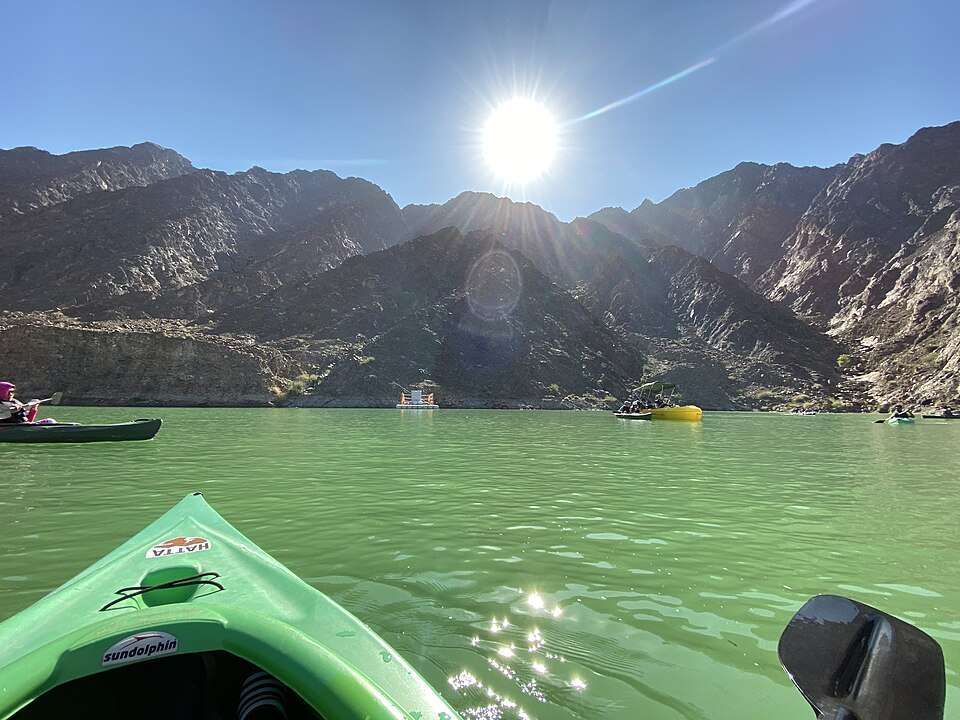
Hatta
The Mountain Exclave, the Dam Kayaks
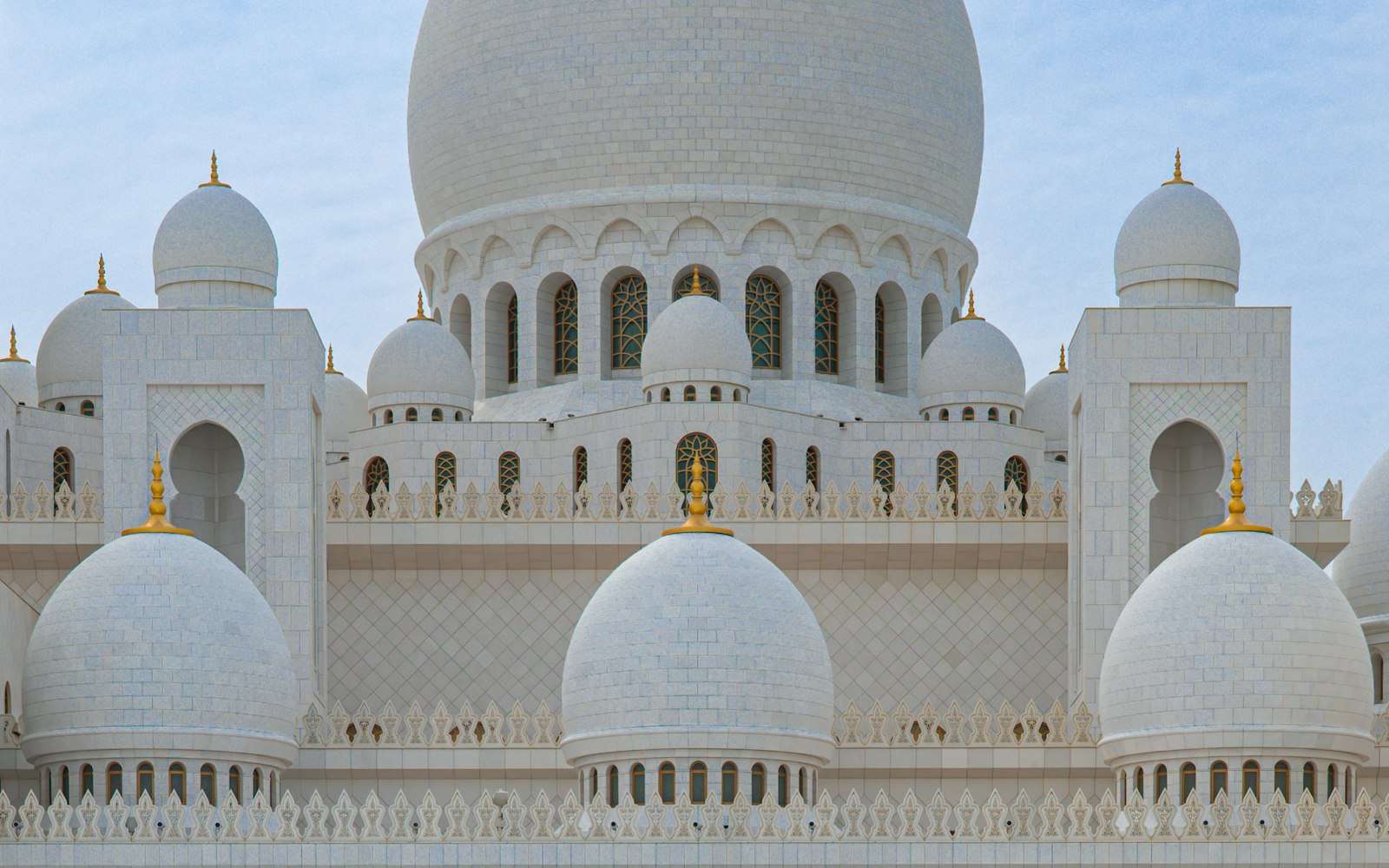
Abu Dhabi
The Mosque Registration, the Louvre
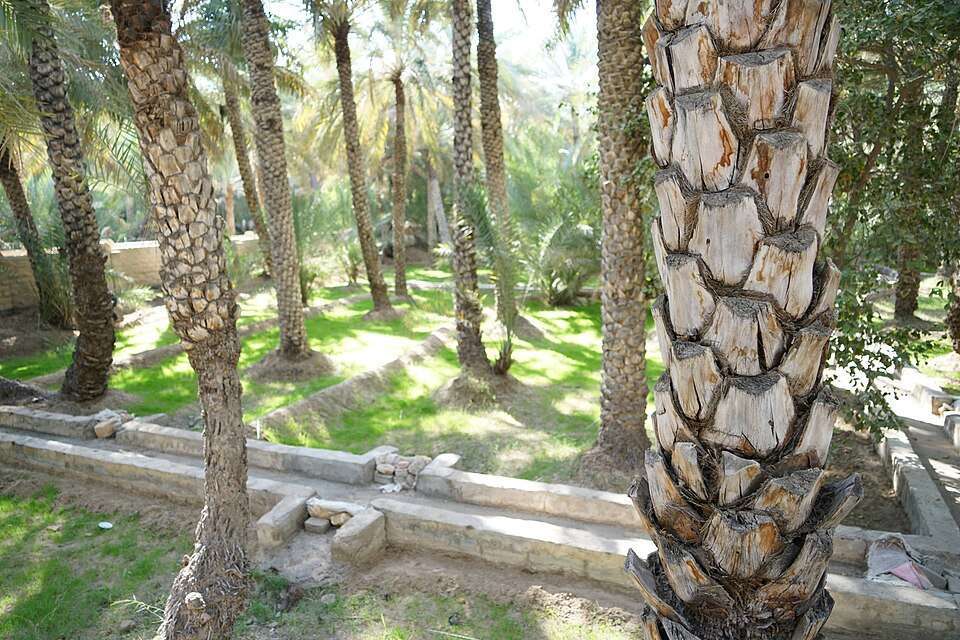
Al Ain
The Oasis on a 3, 000-Year System
Abu Dhabi — The Mosque and the Louvre
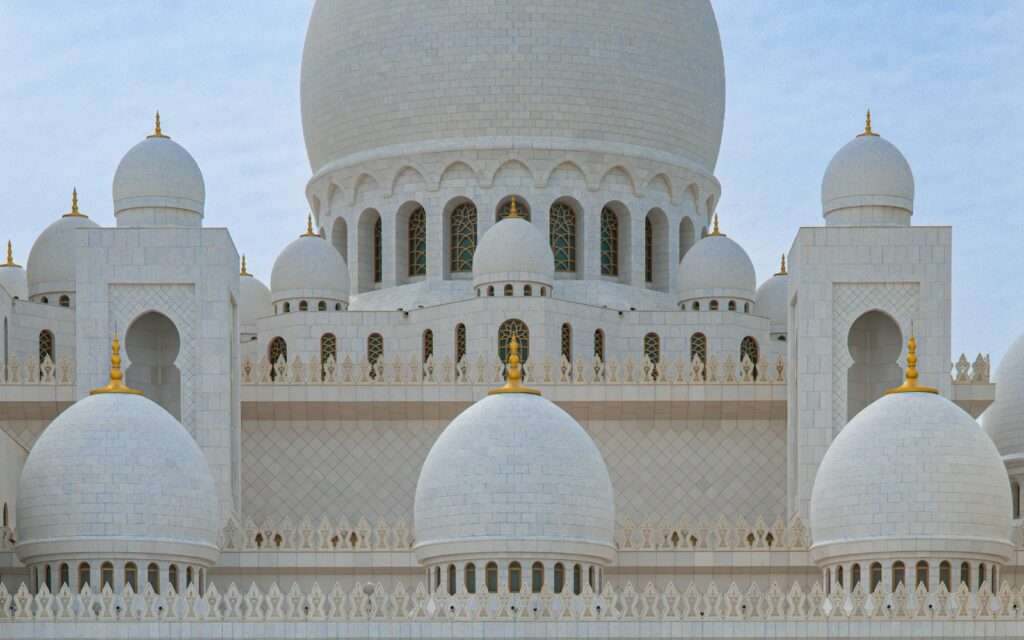
Ninety minutes down the E11, the capital pairs the region’s two essential interiors. The Sheikh Zayed Grand Mosque is the white-marble superlative — 82 domes, the world’s largest hand-knotted carpet, chandeliers at chandelier-arms-race scale — and entry is free but requires a pre-booked online access pass from the official mosque center site. The dress code is enforced at the door: long, loose, ankle-length clothing for everyone, headscarf for women; the standard is modesty done properly, not approximately. Late afternoon delivers the marble at golden hour with the fountains lit at dusk.
The Louvre Abu Dhabi, on Saadiyat Island, is the other half: Jean Nouvel’s floating dome scattering its “rain of light” over galleries that run human civilization chronologically, with loans from the Louvre, Orsay, and Pompidou alongside the permanent collection. The mechanics: closed Mondays, galleries run 10 to 6:30 Tuesday–Thursday and to 8:30 Friday–Sunday, adults pay 70 AED with under-18s free, and booking ahead on the official site skips the line. The dome itself stays open late — the after-dark visit, galleries closed but architecture lit, is free and underrated.
The two together make the classic full day, with Qasr Al Watan’s presidential palace or the Corniche as the third stop for the ambitious. Tours handle the logistics; the intercity buses and a taxi day also work.
Read the full Abu Dhabi day-trip page.
The Desert — Sorted by What You’re Buying
The “desert safari” label covers three different products, and sorting them is the whole game.
The standard evening safari is the theme-park version: convoy dune-bashing in Land Cruisers, a camp with buffet, henna, shisha, and shows. It’s genuinely fun on its own terms — book it as entertainment, medicate if motion-prone (the dune-bashing is a fairground ride), and know the camps run at scale.
The conservation version is the honest upgrade: operators licensed for the Dubai Desert Conservation Reserve — the emirate’s protected dunes, where vehicle numbers are capped — run wildlife-forward drives with oryx and gazelle sightings, falconry demonstrations rooted in the actual heritage, and camps at a fraction of the density. It costs more and delivers the desert rather than a show staged in one.
The overnight version adds the part day-trippers structurally miss: the dunes at dawn, and a sky the city’s glow can’t reach. The welfare calibration applies to the camel rides across all three versions — animals in good condition, shade and water at staging areas, loads limited — and the sandboarding is free fun everywhere. Winter (November–March) is the season; summer safaris compress to the edges of the day.
Musandam — The Fjords of Oman
Two hours north through Ras Al Khaimah, the Musandam Peninsula is Oman — an exclave of bare mountains dropping straight into the Strait of Hormuz, sold accurately as “the Norway of Arabia” minus the green. The day is a traditional dhow cruise from Khasab: cushioned decks, khors (fjords) walled in rock, snorkeling stops over coral, and dolphins that ride the bow wake often enough that operators mention them with confidence.
The border is the planning item: this is an international crossing, so passports are mandatory, and visa requirements vary by nationality — the established tour operators handle the paperwork as part of the package, which is the strongest argument for booking one rather than self-driving. Confirm your nationality’s current rules when booking, carry the passport, and expect the crossing to add real time in both directions.
The math: it is a twelve-hour day from Dubai wrapped around five or six hours on the water. The water is the point — the swimming, the silence between engine stretches, and mountains that look Photoshopped onto a sea. Telegraph Island’s ruined British relay station supplies the history footnote. Winter seas run calmest; summer heat makes the case for the overnight in Khasab or a different month.
Hatta — The Mountain Exclave
Ninety minutes southeast, Hatta is Dubai’s mountain territory: an exclave in the Hajar range that the emirate has built into its outdoor-recreation showpiece. The anchor is the Hatta Dam — kayaks and pedal boats on improbably turquoise water between bare rock walls, rented at the dam-side operation, best in the first hours before the wind and the crowds.
The stack around it: the Hatta Heritage Village’s restored mountain settlement and watchtowers for the culture half hour, the mountain-bike trail center’s graded loops for the sporty, the Honeybee Garden and the carpet-of-lights Hatta Sign viewpoint for the gentle add-ons, and hiking trails that want winter months and morning starts. The wadi pools beyond require local knowledge and flash-flood respect — guided is the right version.
Hatta is a manufactured outdoor product done well — clean, family-optimal, and scenic without pretending to be wilderness. November through March is its season entire; summer hollows it out. Note the road no longer passes through Omani territory since the realignment, so no passport is needed. Half to full day, and the glamping-dome overnight is the upgrade for stargazers.
Read the full Hatta day-trip page.
Al Ain — The Oasis and the UNESCO Layer
Ninety minutes east, Al Ain is the garden city and the UAE’s only UNESCO World Heritage inscription: the oases, the falaj irrigation channels that watered them for three millennia, and the Bronze Age tombs at Hili. The Al Ain Oasis itself is the centerpiece — 3,000 acres of date palms threaded with shaded walkways and working falaj channels, an eco-center at the gate, and a temperature drop you feel at the first palm shade.
The circuit: Al Jahili Fort’s restored mud-brick star (with the Wilfred Thesiger photography exhibit as the unexpected keeper), the Qasr Al Muwaiji birthplace-museum, Jebel Hafeet’s summit road — 1,240 meters of switchbacks with the whole city and desert below, best at sunset — and the camel market, one of the region’s last working ones. Visit the market with the calibration on: it’s a working livestock market, not a show; watch respectfully, expect self-appointed guides to want tips for photos, and keep the camera courteous.
Al Ain is the heritage day — unhurried, inexpensive, and the counterweight to every tower on the skyline. It suits second visits and culture-first travelers; thrill-seekers should take the desert or Hatta instead.
Read the full Al Ain day-trip page.
Old Dubai, the Burj & the City Itself
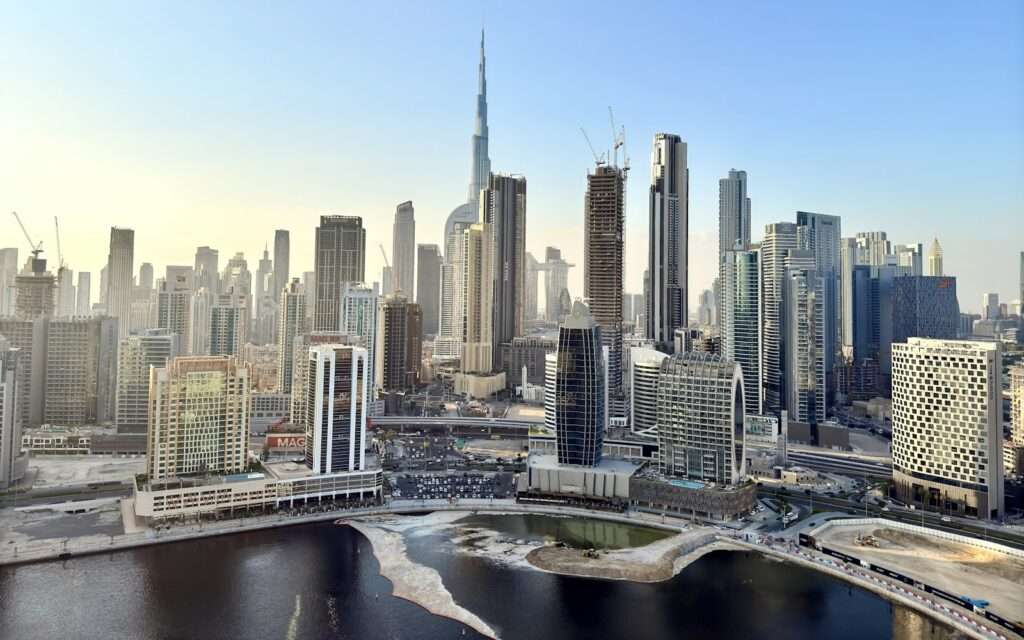
Old Dubai is the city’s best half day and its cheapest: the abra — the wooden water taxi across Dubai Creek — costs one dirham and remains the emirate’s best transport bargain. Ride it between the Deira spice and gold souks on one bank and the Al Fahidi Historical Neighbourhood on the other, where the restored wind-tower lanes hold the Coffee Museum, galleries, and the Arabian Tea House courtyard. The Al Shindagha Museum adds the creek’s pearl-and-trade story properly. Souk rules: haggling is the culture, opening offers run high, and walking away works.
The Burj Khalifa runs on timed tickets — book the official site ahead, take the sunset slot weeks early or settle for daylight, and know the level-124/125 standard ticket satisfies most visitors while the 148th-floor lounge version is the premium answer. The Dubai Fountain shows below run evenings on the half hour; the free lakeside viewing beats most paid vantage points. The Frame, the Museum of the Future’s exterior, and the old-versus-new photo economy fill the architecture list.
The calibrations: dress codes in malls and public spaces ask shoulders-and-knees modesty — beachwear stays at beaches and pools — public displays of affection stay minimal, and alcohol lives in licensed venues. During Ramadan, eating and drinking in public daytime spaces is restricted (malls curtain off dining areas; visitors adapt easily), and the evening iftar hours are the year’s best atmosphere. Season math: November through March is the glory window and prices know it; summer runs 45-degree days where the city retreats indoors — the malls, aquarium, and ski slope exist for exactly this — and the desert and mountain trips compress to dawn and dusk. Friday brunch remains the expat institution, booked ahead and paced with respect.
Frequently Asked Questions
How do you visit the Sheikh Zayed Grand Mosque?
Entry is free with a pre-booked online access pass from the official mosque center site. The dress code is enforced: long, loose, ankle-length clothing, headscarf for women. Late afternoon gets the golden-hour marble and dusk fountains.
Which desert safari should you book?
Sort by product: the standard evening safari is theme-park fun at scale; conservation-reserve operators in the protected dunes deliver actual wildlife and capped vehicle numbers for more money; the overnight adds dawn dunes and dark skies. Check camel welfare at a glance before riding.
Do you need a passport for the Musandam trip?
Yes — it crosses into Oman, and visa rules vary by nationality. Established tour operators handle the border paperwork, which is the main reason to book one. Expect a twelve-hour day around five or six on the dhow.
Is the Abu Dhabi day trip worth it from Dubai?
Yes — the Grand Mosque and the Louvre Abu Dhabi (closed Mondays; book online, 70 AED, under-18s free) make the region’s best culture day at ninety minutes each way. Add Qasr Al Watan if the pace allows.
When is Dubai too hot for day trips?
May through September compresses everything outdoor to dawn and dusk — the desert still works at the day’s edges, but Hatta and hiking effectively close. November through March is the season everything above is built for.